
What If Illness Stops You from Working?
A serious illness can affect more than hospital bills. In Part 5, Nara explains how fixed-benefit insurance may help protect everyday life during recovery.
Living in Korea · Guide
Understanding Korean Health Insurance · Part 5
In Part 4, we looked at silson insurance and how it can help with medical expenses. But a serious illness can affect much more than the amount you pay at the hospital.
What happens if you cannot work for several months? Or if your partner needs to take time off to look after you? The hospital may send you a bill, but the rent, groceries and other everyday expenses continue as usual.
I started thinking more seriously about these questions after returning to Korea.
In the Netherlands, I knew where to begin when I had a health problem. I visited my general practitioner (GP), who referred me to a specialist or hospital if necessary.
Back in Korea, I had to find my way through a different healthcare system. There were plenty of doctors and hospitals, but finding the right one took time. I asked friends, visited clinics and gradually found people I felt comfortable with. My husband has already changed eye doctors four times.
Finding suitable medical care was one concern. Being financially prepared if something serious happened was another.
When paying the hospital bill is not enough
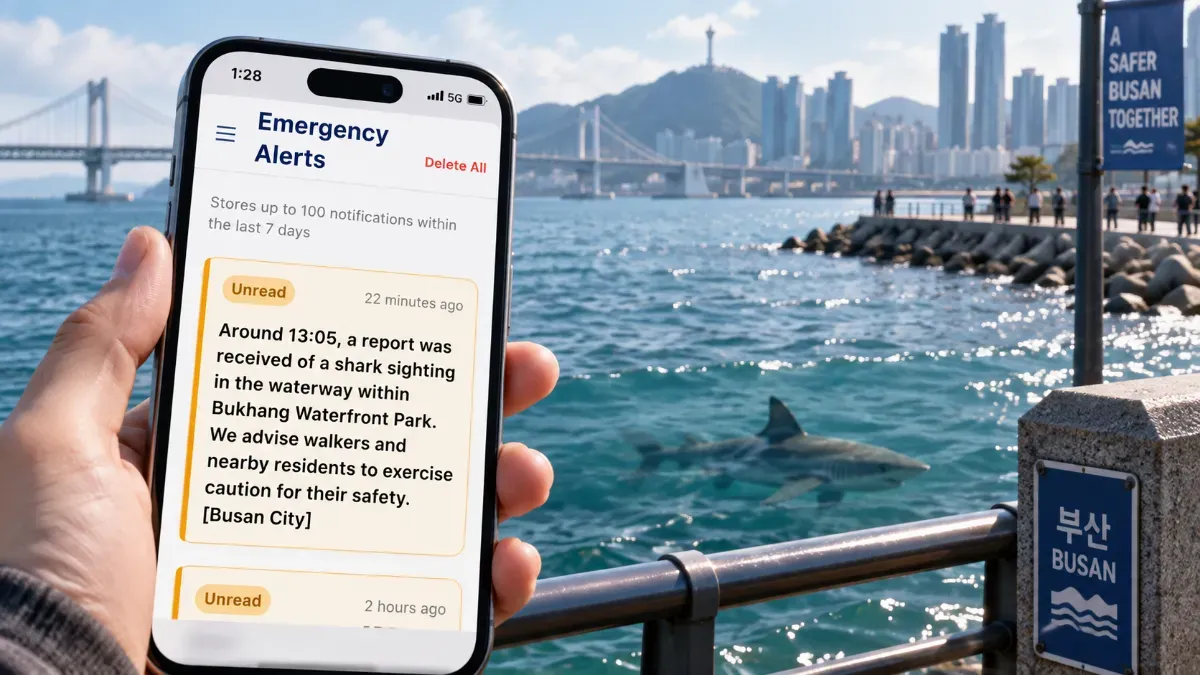
Imagine someone who runs a small business in Busan. After a serious diagnosis, they need surgery and several months of treatment.
National Health Insurance (NHI) pays part of the medical costs. Their private silson insurance may reimburse some of the remaining eligible expenses.
That certainly helps.
But who pays the rent while the business is closed? What about the household expenses? And what if a family member also loses income because they need to provide care?
This is where another type of private health insurance can be useful: fixed-benefit insurance, known in Korean as 정액형 보험.
Unlike silson, which reimburses eligible medical expenses according to your contract, fixed-benefit insurance pays an agreed amount when a specific condition in the policy is met.
The payment is not calculated from your hospital receipt. Once the benefit is paid, you can generally use the money for whatever you need, including living expenses.
However, an important distinction is sometimes overlooked: losing income does not automatically entitle you to a payment. The diagnosis, treatment or other event must meet the policy's conditions.
A diagnosis or a treatment: why it matters
Not all fixed-benefit insurance works in the same way.
Some policies pay an agreed amount when a particular disease is diagnosed. Cancer diagnosis benefits are a familiar example.
Others pay when you undergo specified surgery, receive certain treatments or spend a qualifying number of days in hospital.
That difference can be important.
Imagine receiving a serious diagnosis but not yet knowing which treatment you will need. A diagnosis benefit, if you meet its conditions, may provide money relatively early.
A treatment benefit may become payable later, when you receive a particular treatment covered by the policy.
Neither is automatically better.
A diagnosis benefit can help with immediate financial worries. Treatment-based benefits may help with qualifying expenses or financial pressures as treatment continues.
The details matter. Two policies may appear to cover the same illness but define it differently, or pay only for particular procedures.
Before deciding, ask what exactly must happen before a payment is made. It is worth understanding that while you are healthy rather than discovering the answer in a hospital waiting room.
How much would you actually need?
There is no single amount of insurance that is right for everyone.
A salaried employee with paid sick leave may be in a very different position from a self-employed person whose income stops immediately. Retired residents may have stable income but face additional care costs. Families with children have different responsibilities again.
Start with what you already know about your own finances.
Suppose a household normally needs KRW 2.5 million per month for essential expenses. During a six-month recovery period, only KRW 1 million in monthly income continues.
That leaves a shortfall of KRW 1.5 million each month, or KRW 9 million over six months.
Now imagine another KRW 3 million in additional care and transport costs, plus KRW 3 million in medical expenses remaining after applicable insurance payments.
The total comes to KRW 15 million.
If the household has KRW 5 million in available emergency savings and no existing fixed benefits payable in that situation, the remaining financial gap is KRW 10 million.
These are imaginary figures, not average Korean medical costs or a recommendation to buy KRW 10 million in insurance.
The point is to understand your possible financial gap before looking at insurance products.
And remember that not every gap needs to be filled by insurance. Savings, continuing income, employer benefits and existing policies may already provide considerable protection.
The best time to ask questions
When I arranged insurance after returning to Korea, my own medical history complicated the application.
Because I had undergone surgery, I had to provide additional medical information. It was a reminder that wanting insurance and qualifying for it are two different things.
Insurers assess applications using factors such as age, health history and the coverage requested. Depending on the circumstances, they may accept an application, impose exclusions or decline it.
Some insurers offer simplified-underwriting policies for people with previous medical conditions. These may be worth considering, although premiums can be higher than for comparable standard policies.
A previous illness does not necessarily mean you have no options. It does mean you should examine those options carefully.
And being healthy does not mean you need every insurance product available.
What seems affordable today may look different later
When comparing insurance, most people understandably look first at the monthly premium.
But how long will you have to pay it, and could it change?
With renewable insurance, the premium can be recalculated at renewal. It may be relatively affordable at first, but increases can make it harder to maintain later.
With non-renewable insurance, the premium for that benefit is normally fixed for its agreed payment period, provided the contract is unchanged. The initial premium may be higher, but budgeting can be more predictable.
A policy can also contain several benefits with different renewal conditions.
Neither arrangement is always the better choice. Your age, available income, expected length of residence in Korea and long-term plans all matter.
For foreign residents, there is another practical question: if you move abroad, can you keep the policy, and what conditions apply to maintaining cover or claiming benefits?
It is much easier to ask before signing.
Also consider what happens if you cancel early. Some policies return very little money, or none at all, during certain periods. Insurance intended to protect your finances should not become a financial burden itself.
Insurance you can live with
An insurance adviser can help you understand the choices, particularly if you have several policies or a complicated medical history.
Online insurance is another possibility. Whichever route you choose, make sure you understand the payment conditions, exclusions, waiting periods, renewal arrangements and total cost.
If you already have insurance, review it before buying anything additional. You may find that some of your concerns are already covered.
When I think about my own insurance now, I do not simply ask how much money I might receive after a diagnosis.
I also ask whether it would make a meaningful difference to our everyday life, and whether we can comfortably keep paying for it.
After all, the purpose of preparing for a possible illness is to make a difficult period easier to manage.
It would be rather unfortunate if the insurance premiums made ordinary life difficult in the meantime.
Sources and further reading
The following Korean sources explain the general insurance structures. Individual cover, eligibility and premiums depend on the insurer and the contract.
-
Korea Insurance Research Institute — Consumer insurance guidance. Explains fixed-benefit and reimbursement insurance, premium payments and renewal conditions.
-
Korean Insurance Act — Definitions of insurance categories. Legal background on life, non-life and third-category insurance.
-
Financial Services Commission — Insurance for people with medical histories. Includes simplified underwriting and premium considerations (2018).
-
Korean Government Easy Law Information — What to check before buying insurance. Covers policy comparisons and renewable versus non-renewable insurance.
-
Financial Services Commission — Policies with no or reduced surrender value. Consumer warnings about early cancellation (2021).
Information reviewed on 16 November 2026. This article provides general information, not individual insurance or financial advice.
About me
I am Nara Kramer-Jang. I returned to Korea after twenty years in the Netherlands and am now permanently living in Busan. Nextto being the Founder and CEO of Kramer & Co Consulting I am insurance adviser and business consultant at Samsung Life's Busan Corporate Branch. I write this Insurance series on OurBusan.life to help foreign residents understand Korean insurance. If you feel like reaching out, please send a DM to OurBusan.life or go to: https://kramerconsult.kr/contact-us/