
Together in Busan: Africa Festival Celebrates Culture, Community, and Connection
The inaugural Busan Africa Festival brought African communities, Korean residents, and international visitors together for a day of cultural exchange, shared experiences, and a vision for a more connected Busan.
BUSAN, South Korea | October 24, 2026
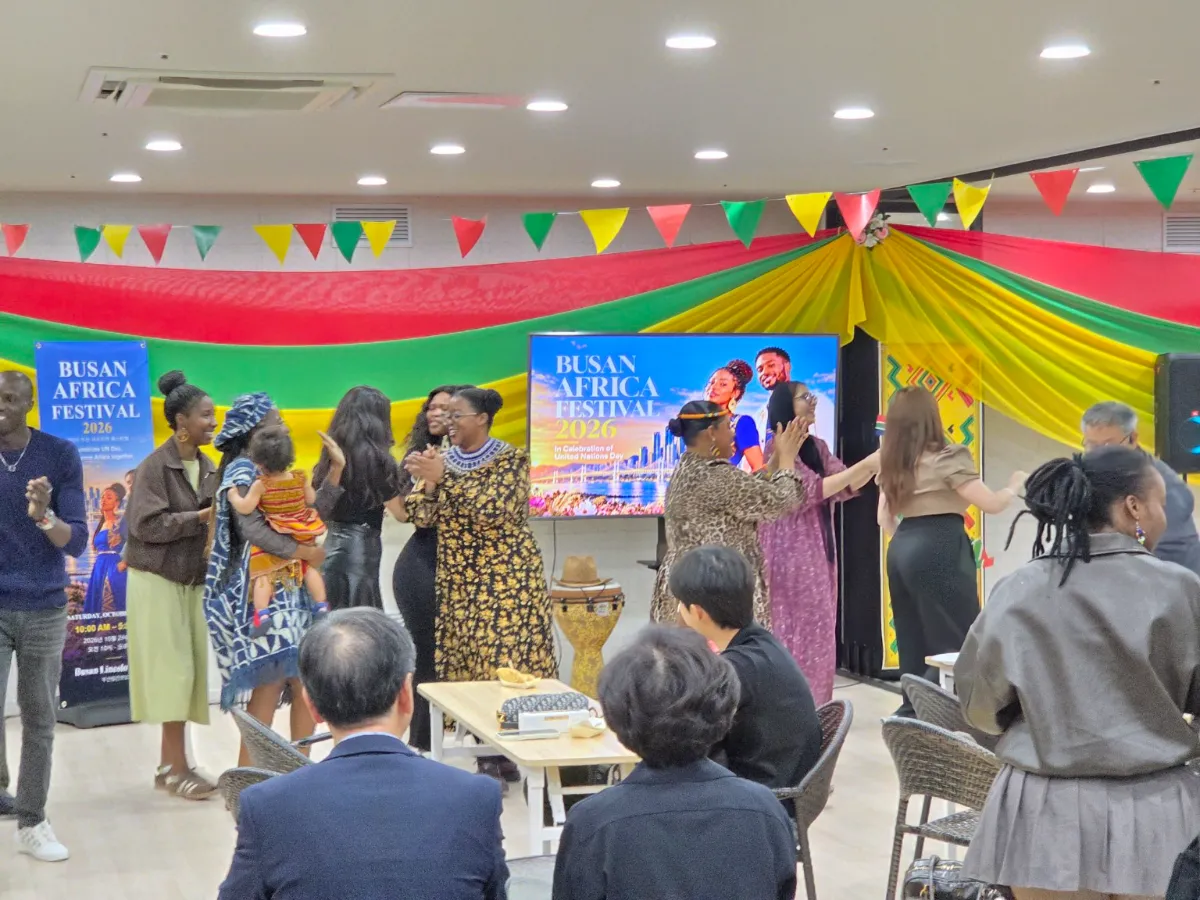
Colorful red, yellow, and green decorations stretched across the hall as visitors gathered around food stalls, explored cultural displays, and joined in dancing at the inaugural Busan Africa Festival on October 24.
Held at Busan Lincoln School in Daeyeon-dong, the celebration brought African communities, Korean residents, and international visitors together for a day centered on cultural identity, shared experiences, and friendship.
From a Cameroonian cultural display featuring traditional clothing and food to the lively energy of group dancing, the festival offered visitors an opportunity to experience some of the diversity of African cultures represented in Busan.
But behind the festivities was a larger ambition.
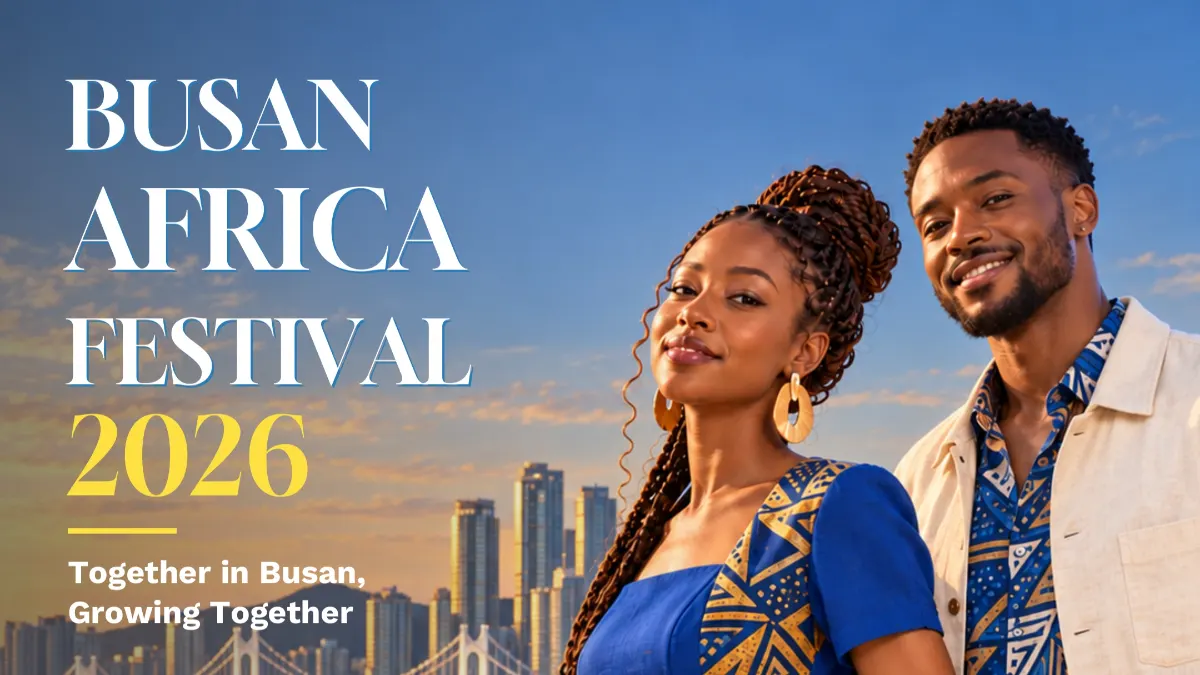
Organized by Afro Village, the festival was built around the theme "Together in Busan, Growing Together," reflecting a vision of stronger relationships between African communities and the wider city.
For Judith NYA, founder of Afro Village, the event represented the beginning of a longer journey toward greater cultural understanding, inclusion, and belonging.
"Culture should never be a barrier between people; it should be a bridge that brings them together," NYA shared in her welcoming address.
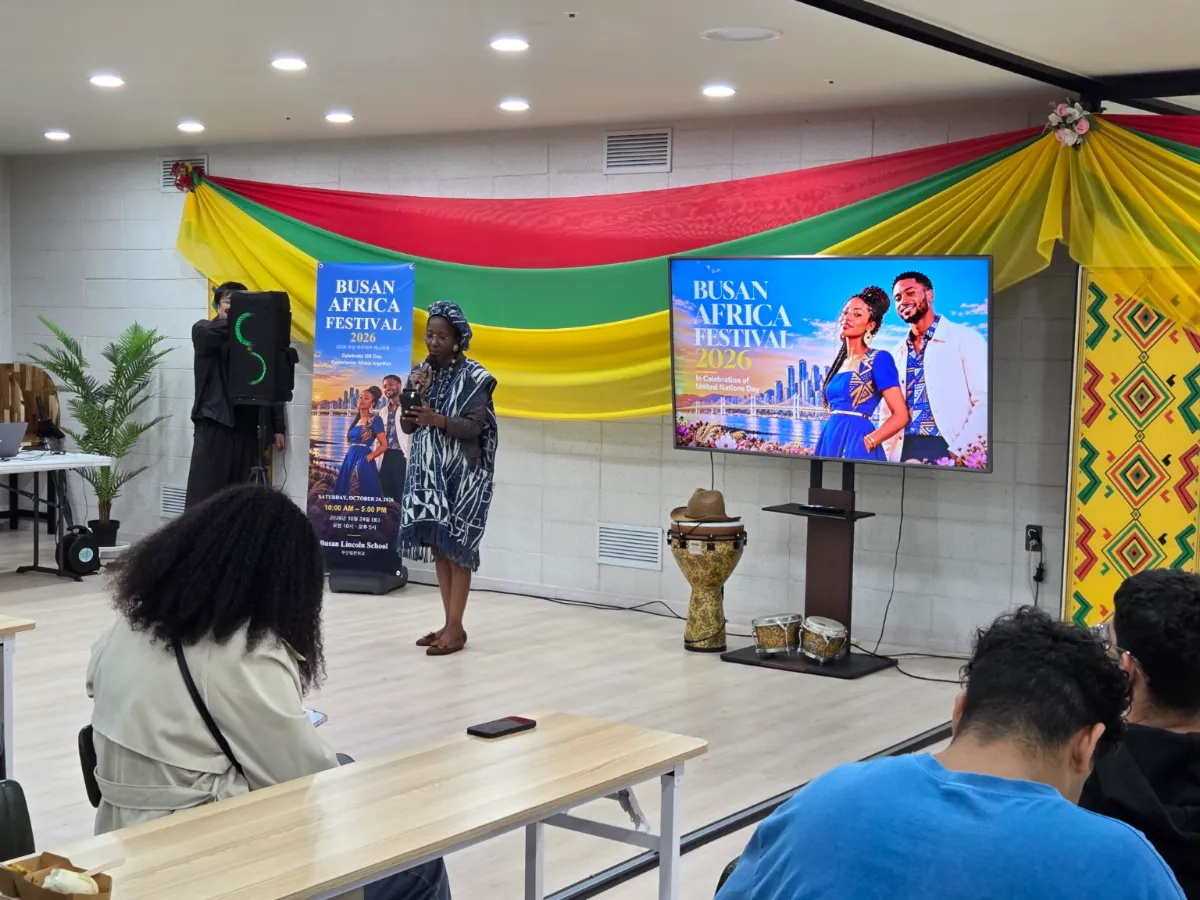
Celebrating Africa Through Food, Music, and Culture
Africa is home to 54 internationally recognized countries, thousands of languages, and an extraordinary variety of cultural traditions. Presenting that diversity within a single festival is an ambitious undertaking, but the Busan Africa Festival offered a starting point for visitors to explore the continent's cultural richness.
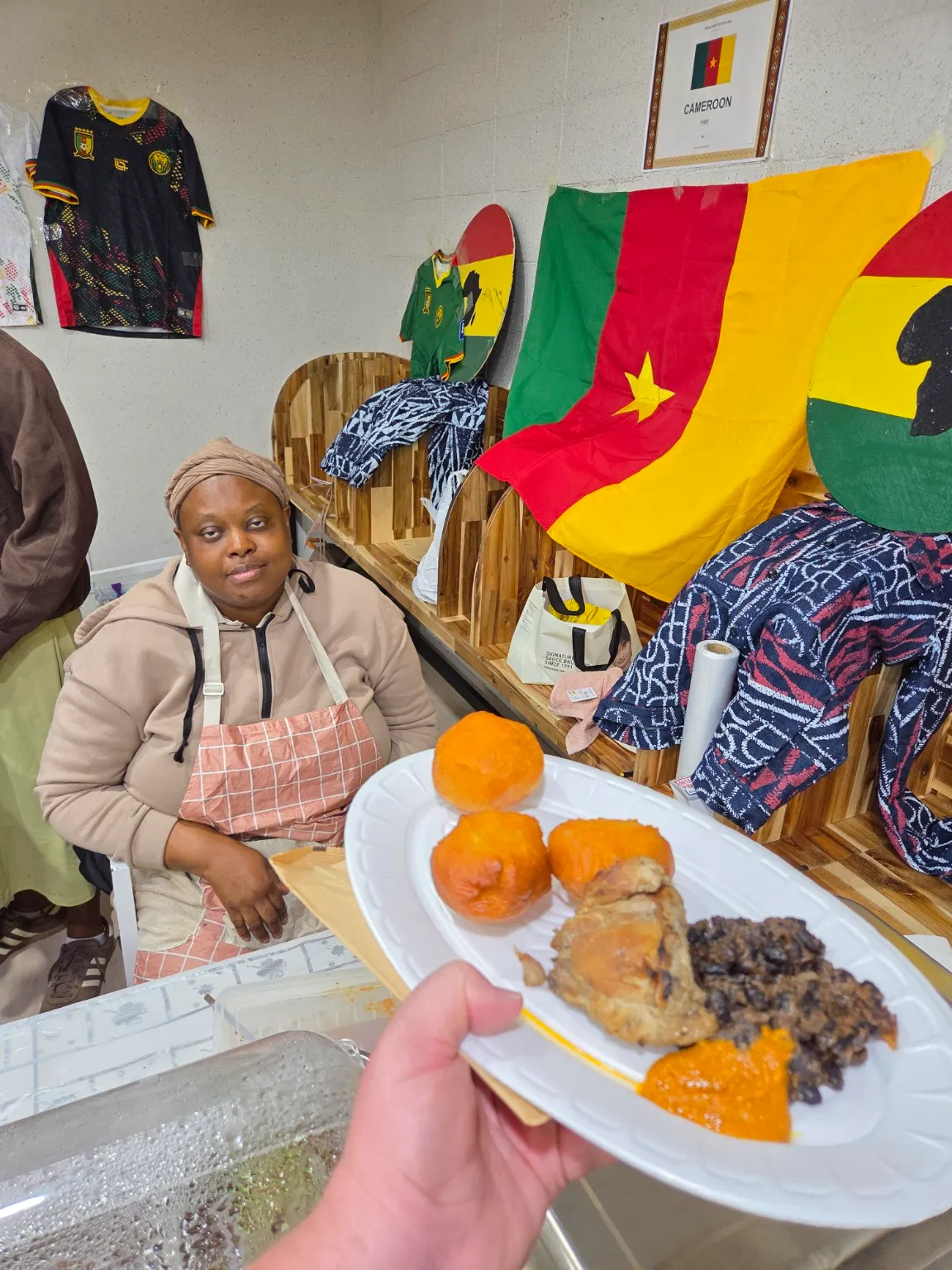
Throughout the venue, displays of traditional clothing, national flags, crafts, and food introduced visitors to different aspects of African heritage.
At the Cameroon display, the country's green, red, and yellow flag hung alongside traditional fabrics and football jerseys, while a food vendor served dishes to visitors.
Food provided a particularly accessible form of cultural exchange, inviting guests to discover unfamiliar flavors while learning about the communities and traditions behind them.
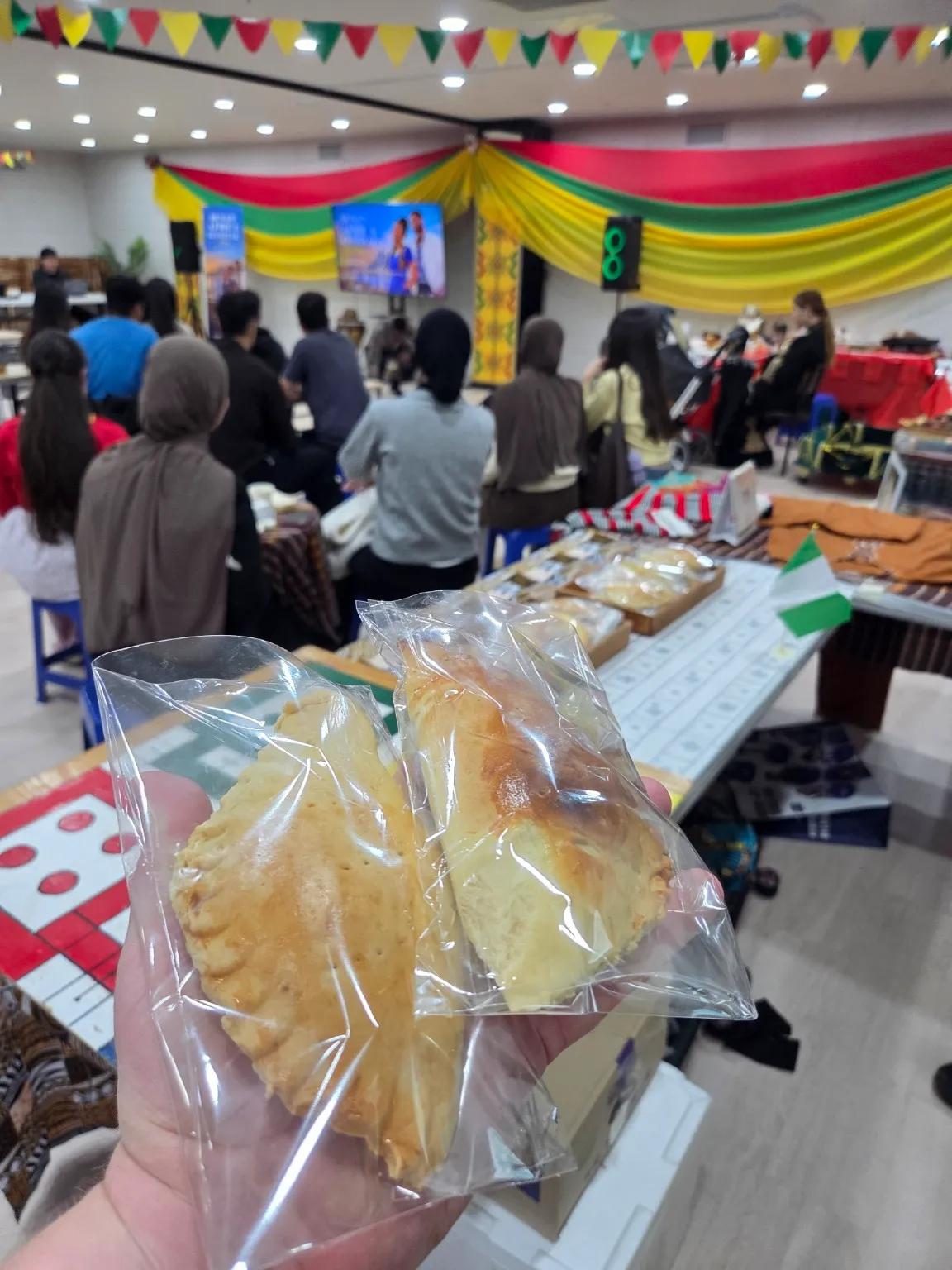
Other stalls featured baked goods and prepared foods, adding to the festival's welcoming atmosphere as visitors moved between tables and activities.
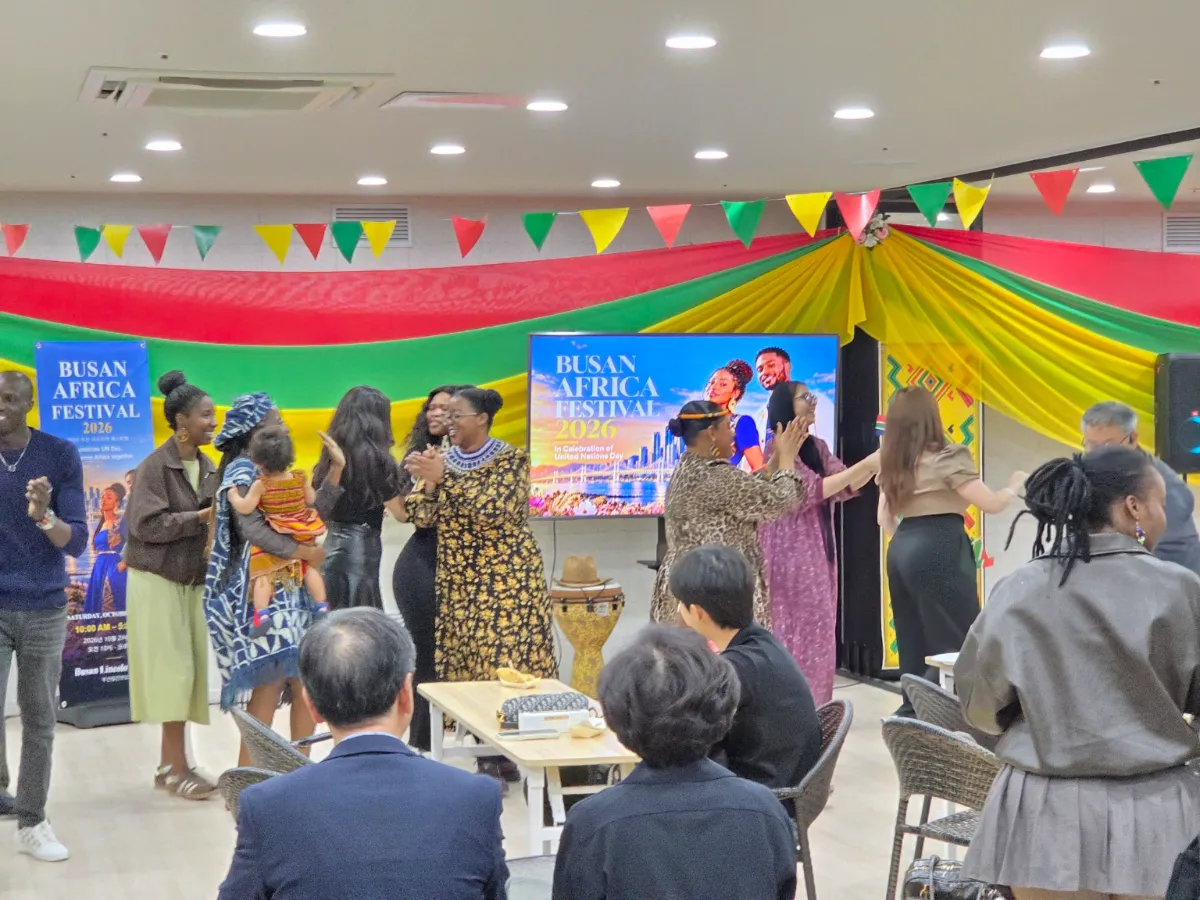
Music and dance brought another dimension to the celebration.
In one of the day's livelier moments, participants gathered together to dance, with people of different ages and backgrounds joining the festivities.
The scene reflected the festival's central message: cultural exchange becomes particularly meaningful when people move beyond observation and actively participate.
The festival program also included activities such as a football tournament, community gatherings, and discussions about employment, business, visas, and life in Korea.
These elements reflected an understanding that cultural identity and community support are closely connected, particularly for international residents navigating life in a country far from their place of origin.
Building Bridges Between Communities
While the festival celebrated African heritage, its message extended beyond cultural presentation.
In her welcoming address, NYA emphasized that meaningful integration requires more than simply living alongside people from different backgrounds.
"True integration is not simply about living in the same city. It is about understanding one another, respecting our differences, creating opportunities, and building lasting relationships."
Her words reflect an important conversation taking place in Busan as international students, professionals, entrepreneurs, and multicultural families continue to contribute to the city's evolving identity.
For many international residents, building a life in Korea involves balancing their cultural heritage with the challenges and opportunities of adapting to a new environment.
Community organizations can play an important role in that process, providing spaces where people maintain connections to their cultural roots while developing relationships within Korean society.
The Busan Africa Festival demonstrated how these goals can complement one another.
A shared meal can open the door to conversation. A traditional performance can encourage curiosity. A discussion about life in Korea can reveal common experiences that transcend nationality.
These interactions may seem small, but they contribute to the familiarity, understanding, and trust that help communities grow stronger.
As NYA explained in her address, cultural exchange can do more than introduce people to different traditions.
"We are building trust. We are breaking stereotypes. We are creating a shared future."
Afro Village: Creating a Sense of Belonging
The festival also provided an opportunity to introduce the broader mission of Afro Village, an African cultural and community hub based in Busan.
Founded on the belief that cultural differences should create opportunities for connection rather than division, Afro Village works to empower communities, preserve cultural heritage, promote inclusion, and strengthen relationships among Africans, Koreans, and people of other nationalities.
Its ambitions extend beyond organizing festivals and cultural performances.
The organization envisions a community where international residents feel a genuine sense of belonging, where cultural identities are respected, and where diversity contributes positively to local society.
For African residents who have chosen South Korea as a place to study, work, raise families, or build businesses, that sense of belonging carries particular significance.
NYA acknowledged these experiences during her address, recognizing both the contributions African communities make to Korean society and the ways living in Korea shapes their own journeys.
The festival's theme, "Together in Busan, Growing Together," reflects this reciprocal relationship.
Integration, in this vision, is not about abandoning one's cultural identity. It is about creating opportunities for different communities to learn from one another while participating in a shared future.
The festival itself was made possible through the cooperation of participating African communities, volunteers, performers, partners, sponsors, and local supporters.
NYA expressed her appreciation to those involved, emphasizing that building a meaningful cultural platform requires collective effort.
A First Edition With a Vision for the Future
Although 2026 marked the first Busan Africa Festival, Afro Village hopes the event will become an annual celebration and an established part of Busan's cultural calendar.
The organization's long-term vision is to bring together African communities, Korean citizens, international residents, businesses, educational institutions, and cultural organizations through a recurring platform for exchange and cooperation.
More importantly, its ambitions extend beyond the festival itself.
"We dream of a Busan where African cultures are not only visible during festivals but are recognized as valuable contributors to the city's multicultural identity," NYA said.
That distinction is important.
A city's international character is not measured only by the number of nationalities represented within its borders or the number of cultural festivals it hosts.
It is also reflected in whether residents from different backgrounds have opportunities to participate, contribute, build relationships, and shape the communities around them.
The Busan Africa Festival represents an effort to create those opportunities while encouraging a broader recognition of the African communities already contributing to life in the city.
For a first edition, establishing that foundation may be among its most meaningful achievements.
Together in Busan, Growing Together
As the inaugural Busan Africa Festival concluded, its message offered a reminder that cultural diversity is not simply something to observe from a distance.
It is something experienced through shared meals, conversations, performances, friendships, and the everyday interactions that connect people across different backgrounds.
The festival's colorful displays, food stalls, and group dancing provided visible expressions of that exchange. Behind them was a deeper commitment to creating a city where more people feel recognized, respected, and included.
In closing her welcome address, NYA returned to the common experiences that connect people across cultures.
"We may come from different countries, speak different languages, and carry different traditions, but we all share the same human desire to belong, to be respected, and to live together in peace."
For Afro Village, the Busan Africa Festival is intended to be a beginning rather than a conclusion.
And for Busan, it represents another opportunity to strengthen the connections among the many communities that call the city home.
Together in Busan, growing together.
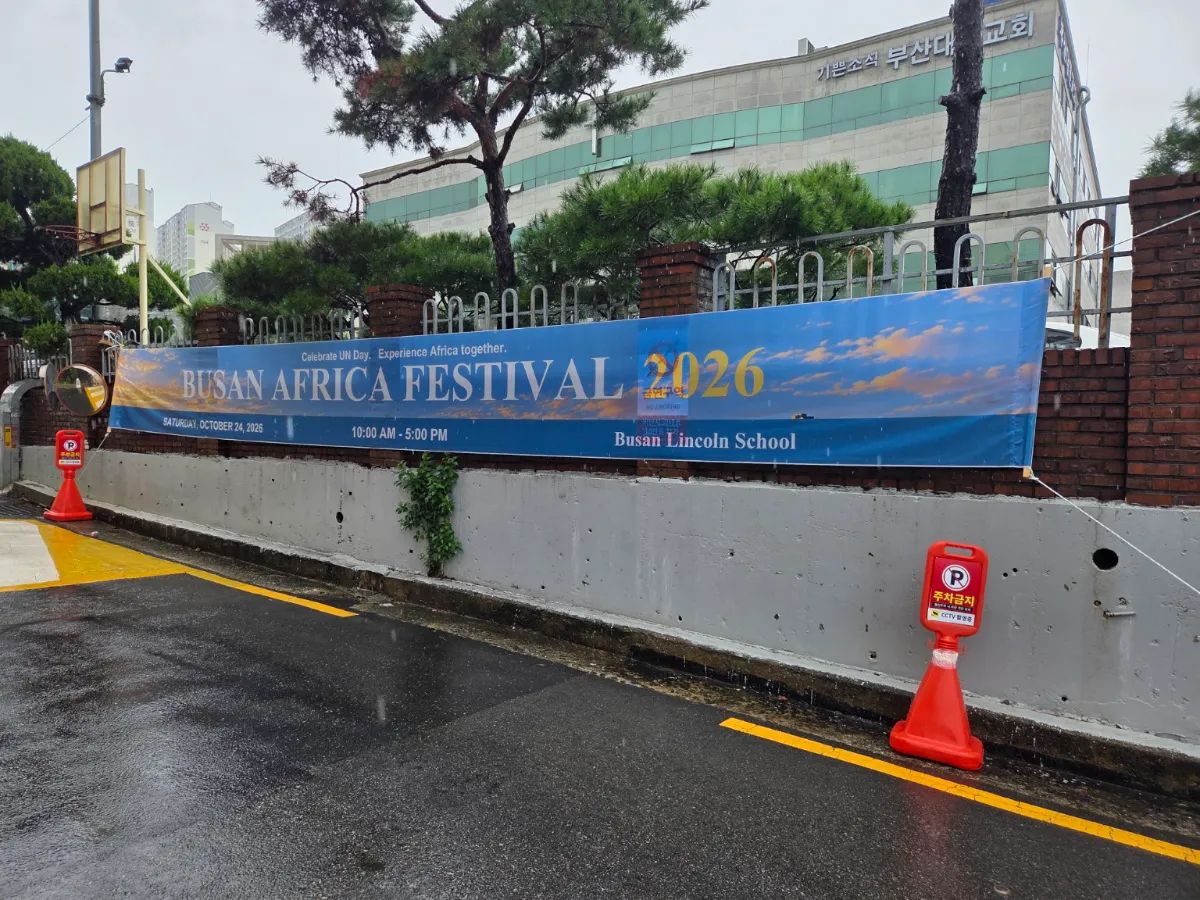
The first Busan Africa Festival was held on October 24, 2026, at Busan Lincoln School in Daeyeon-dong, Nam-gu. Organized by Afro Village, the event celebrated African cultural heritage, community connections, and Africa–Korea friendship.
For more information, visit the 2026 Busan Africa Festival event listing on OurBusan.life.