
Beyond the Game: World Esports Summit 2026 in Busan
Global esports leaders gathered in Busan for the World Esports Summit 2026, exploring international connections, career opportunities, and the challenges of building a sustainable industry. The two-day event highlighted Korea's influence on esports and Busan's growing role as a m
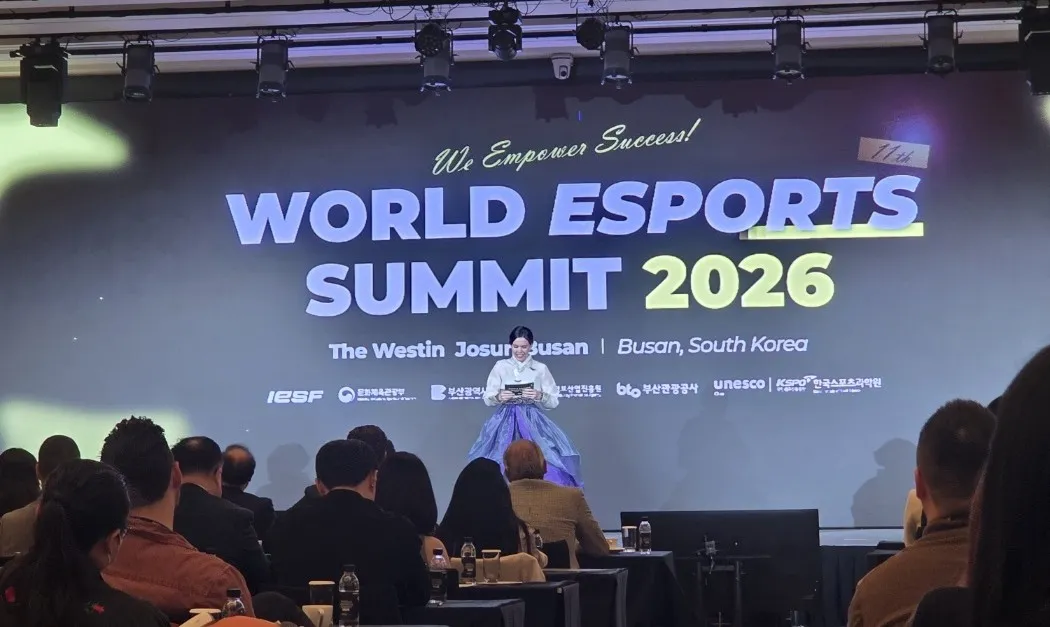
At the World Esports Summit 2026, international leaders explored the future of competitive gaming, professional opportunities, and the communities connecting people across borders.
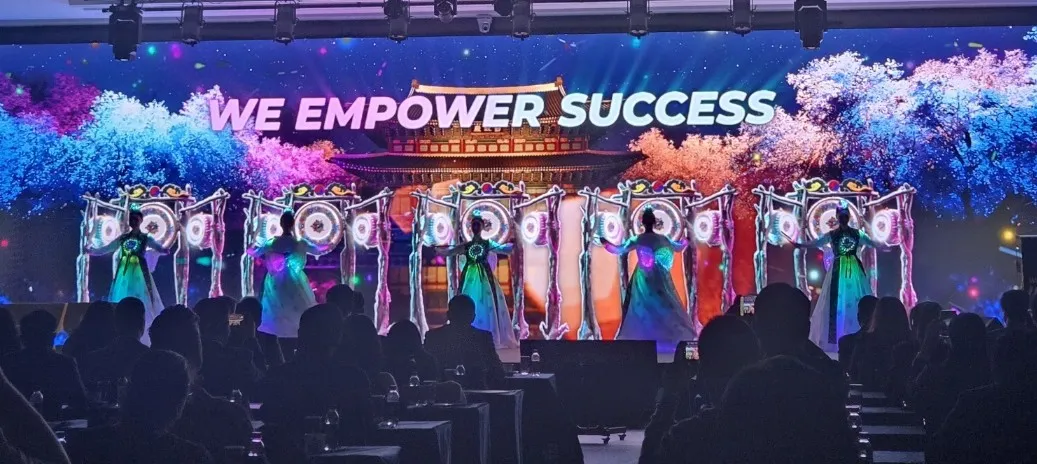
Before discussions about the future of esports began, the World Esports Summit 2026 offered its own demonstration of how technology and culture can come together.
Inside the Grand Ballroom of The Westin Josun Busan, performers took the stage with drumsticks in hand, striking virtual drums displayed on enormous digital screens. The performance combined traditional Korean cultural imagery with choreography, lighting, and digital effects, setting the tone for an international gathering focused on an evolving industry.
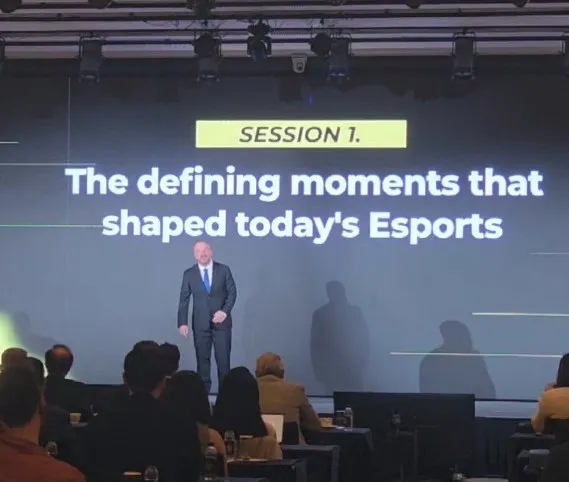
Organized by the International Esports Federation (IESF) on October 7–8, the summit brought representatives from professional teams, game publishers, national federations, universities, and other organizations to Busan. While the sessions covered a range of topics, several recurring themes emerged: the international community surrounding esports, the challenges of building sustainable careers, and the responsibilities of the organizations shaping its future.
A Global Community with Shared Interests
One of the summit's most interesting observations came during the panel What Are We Leaving Behind as Esports Grows? A representative from the professional esports industry described how people involved in esports often feel a sense of familiarity wherever they travel. Despite differences in nationality, language, and culture, their shared interests can make international colleagues feel more like friends or family.
That sense of international connection was reflected in the summit itself. During The Lessons Behind Esports' Rapid Expansion, representatives from African, Asian, Southeast Asian, and European esports federations shared perspectives on the industry's development. Despite representing different markets, many described similar challenges, particularly the difficulty of gaining recognition for esports as a legitimate professional pursuit.
For international residents in Busan, the importance of finding community through shared interests is familiar. Whether through sports, music, gaming, or other activities, common interests can help people form connections across cultural and national boundaries.
Building Careers Beyond Competitive Gaming
Although esports is often associated with professional players and major competitions, much of the summit focused on the industry developing around them.
Panelists discussed the expanding range of professional opportunities in esports, including event management, broadcasting, coaching, marketing, and business development. However, communicating these opportunities to young people, families, and the broader public remains a challenge.
During discussions about the industry's international expansion, representatives described how traditional expectations can discourage young people from pursuing esports. Despite its growth, competitive gaming is still sometimes viewed as an unproductive hobby rather than a potential career.
These concerns extended beyond public perception to the responsibilities organizations have toward young players. During the second day's discussions on youth, research, and policy, a Korean esports academy and PC bang business operator emphasized the importance of supporting players' education and long-term professional development.
Many competitors begin at a young age, and not everyone will remain a professional player. Developing pathways into education, coaching, management, and other careers is therefore an important part of creating a sustainable industry.
Together, the discussions highlighted a challenge facing esports worldwide: growing the industry means developing not only competitive talent, but also the professional structures that support people throughout their careers.
Korea's Influence and the Future of Esports
South Korea's position as a major esports market was another recurring point of discussion. Its influence extends beyond professional teams and competitions to the business models and gaming culture that have developed around the industry.
One panelist pointed to the internationally recognized Korean concept of the PC bang (PC방), suggesting that terms such as “PC Lounge” might make the business model more accessible to audiences unfamiliar with Korean gaming culture. The suggestion reflected a broader question about how Korean esports concepts can adapt as they expand into international markets.
Questions about international growth also connected to the industry's governance. During Who Gets to Shape Esports?, representatives from Tencent, MOONTON, the Japan Esports Union, and the Bhutan Esports Association examined the different interests involved in determining esports' direction.
The following panel, From Representation to Responsibility, returned to the obligations organizations have toward the players and communities they represent. Across both days, the discussions suggested that as esports grows, questions about who makes decisions and who benefits from them will become increasingly important.
Bringing the International Conversation to Busan
For two days, the World Esports Summit brought together an international community to discuss an industry whose future involves much more than competitive gaming. From employment and education to organizational responsibility and international cooperation, the conversations reflected both the opportunities and challenges accompanying esports' growth.
For Busan, hosting gatherings like WES creates opportunities to connect global organizations, Korean institutions, and international professionals. The challenge, and opportunity, is finding ways for those connections to extend beyond conference venues and into the wider community.
For international residents, students, and professionals living in Busan, the summit offered another reminder that global industries and international communities are not always somewhere else. Sometimes, those conversations are happening right here in the city.
The conversation wasn't simply about who would win the next game. It was about who would build the future of esports, and who would have a place in it.
The World Esports Summit 2026 took place October 7–8 at The Westin Josun Busan, organized by the International Esports Federation (IESF). Learn more at iesf.org.